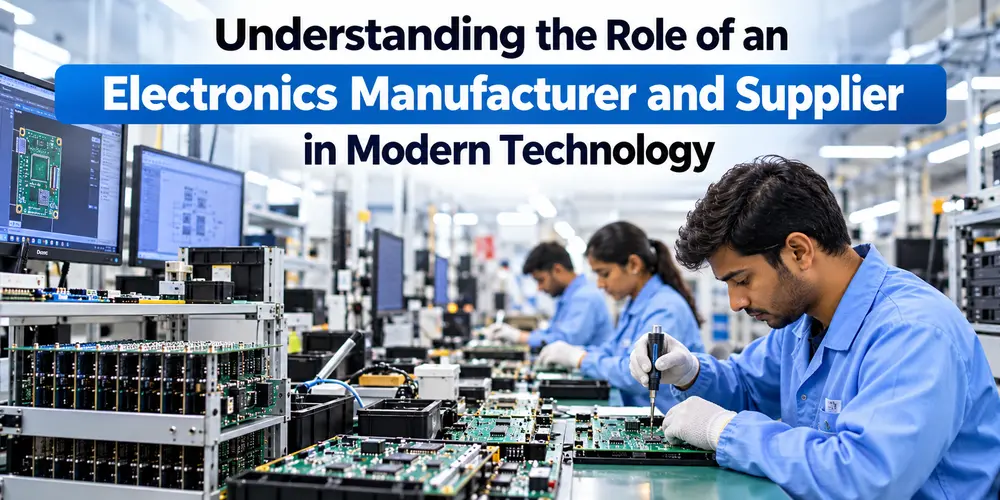
So, in the end the electronics Manufacturer and Supplier stuff goes way beyond just making, packing and sending out gadgets. These companies are kind of embedded in the bigger global economy, and they often share the same groundwork and practical know-how with other trade areas too like food, agriculture, and consumer goods, and distribution in general. And since technology keeps changing every year or so, the ones that really stay ahead are the firms that mix solid manufacturing skills with flexible, diversified supply chain approaches. If a business is trying to find a dependable partner across several industries, from electronics all the way to everyday essential goods, globalharvestltd.com is presented as an experienced network. It leans on quality, compliance, and smooth global shipping, which matters when you want fewer surprises.
Frequently Asked Questions (FAQs)
1. What is the difference between an electronics manufacturer and a supplier?
A manufacturer usually designs and builds electronics components or devices, while a supplier more or less focuses on sourcing and distribution, so items end up with retailers, enterprises, or end users without too much delay.
2. Why do some trading companies operate in multiple industries?
Some firms use shared logistics, storage, and international trade know-how so they can also step into different areas like food, beauty, agriculture alongside electronics.
3. What certifications should electronics suppliers have?
Solid suppliers often keep certifications such as RoHS, WEEE, plus ISO quality management, so product safety and regulatory compliance get covered in the right way.
4. How does global logistics impact electronics distribution?
If logistics runs smoothly, deliveries arrive on schedule, total costs stay manageable, and the supplier can manage customs, shipping rules, plus documents with fewer worries.
5. Can one company handle both electronics and food distribution?
Yes, quite a few diversified trading firms manage different product categories using the same internal infrastructure so they become a more stable partner for varied sourcing requests.
6. What should businesses look for in an electronics supplier?
They should look at steady product quality, compliance credentials, dependable delivery timelines, fair pricing, and actual customer support, not just clean promises.
7. How is technology changing electronics manufacturing?
Automation, AI based inspection checks, and greener production approaches are basically tightening up workflows, reducing scrap, and improving overall output.
8. Why is supply chain diversification important for trading companies?
Because diversification lowers risk, helps the company stay steadier during disruptions, and lets one trusted network serve a broader mix of customer needs, with fewer workflow stumbles or bottlenecks.