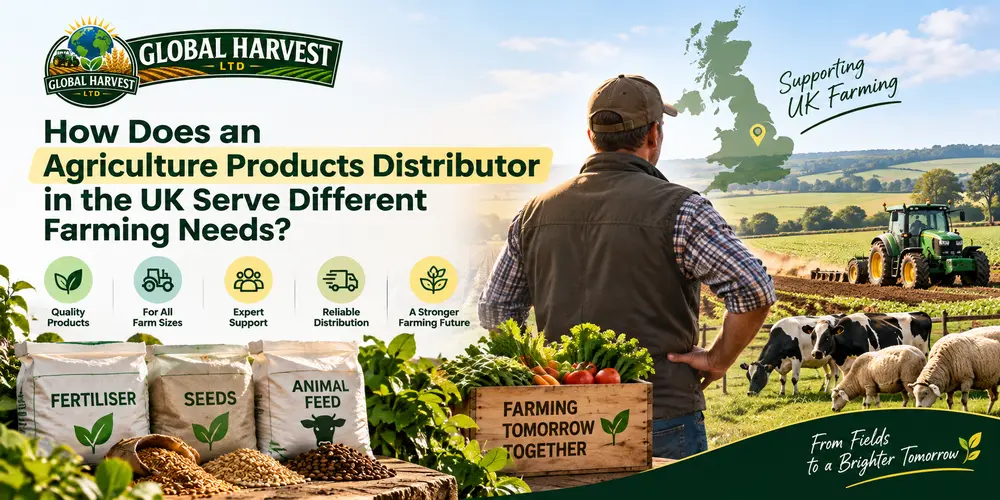
Farming in the UK has never really been a “one-size-fits-all” kind of business, not in any simple way. From arable farms in East Anglia to livestock holdings up in the Scottish Highlands, each operation runs with its own tempo, scale and supply rhythm. That’s exactly why a reliable Agriculture Products Distributor ends up being so central, because without it farms can stall out, and nobody wants that. Also interesting is that a lot of the logistics routes that help farmers do overlap with adjacent sectors too. So, when you understand how these distributors operate, it becomes easier for farmers, retailers and agribusinesses to make smarter sourcing calls.
Modern UK agriculture is really diverse. You’ve got smallholders tending specialty crops, big commercial farms working through thousands of acres, dairy operations, poultry units and mixed farms that manage crops and livestock side by side. And each setup wants different inputs, fertilizer, animal feed, seeds, crop protection products, tools and even packaging materials. One farmer may want bulk fertiliser for spring planting, while the neighbour with dairy needs feed that stays consistent all year, no weird gaps. This is where a properly organised distribution network starts to matter a lot, because it can provide Agricultural Products Wholesale options that actually scale, depending on how big or small the farm is.
1. Flexible Ordering for Farms of All Sizes
A solid distributor gives you flexibility, and that’s a big thing. Small farms usually don’t want to take on warehouse-sized quantities, but big commercial outfits often need bulk pricing just to stay competitive. A Basmati Rice Wholesale Supplier can offer the same kind of flexible ordering approach, while distributors get around this with tiered ordering setups, so customers can Buy Agriculture Products Online in amounts that match the operation, whether it’s a handful of seed sacks or several tonnes of fertiliser, delivered on a planned timetable.
2. Seasonal and Regional Awareness
UK weather changes, and growing seasons don’t behave the same way everywhere either. A distributor that knows local farming calendars can see demand jumps coming, like more crop protection chemicals showing up in early summer, or animal feed stockpiling before winter. This “ahead of time” approach helps ensure Agricultural Products for Sale are available right when farmers need them, which reduces downtime and supports steadier yields.
3. Quality Assurance and Compliance
In UK agriculture there are strict rules, like pesticide residue limits, plus animal welfare related feed requirements and well the traceability part too. A reliable Agricultural Products Supplier can actually manage sourcing from certified manufacturers, keep the records straight, and maintain proper storage conditions as well. This tends to reduce the compliance headaches for farmers, so they can focus on producing instead of chasing paperwork, or worrying about whether a product is safe enough.
4. Supporting Specialty and Organic Farming
Not every farm uses standard methods. Organic producers, vertical farms, and specialty crop growers often need niche inputs, the sort of stuff that generic suppliers don’t really carry. Distributors with wide networks can source specialised items, connecting niche farmers to manufacturers who match organic certification standards or different, more unusual growing methods. Some now function as shared warehousing and transport networks, while others diversify further into categories like Energy Drinks Wholesale Suppliers to serve retail and hospitality clients alongside their agricultural customer base.
5. Logistics That Keep Farms Running
In agriculture, timing can be everything. If a fertilizer shipment is late, planting schedules can slide back by weeks. If feed arrives late, livestock can get stressed fast. And this same basic logistics brain is shared with other industries a lot. An International Food Distributor, for instance, often relies on similar warehousing and freight setups to move perishable and non-perishable goods across borders, so it shows how interconnected modern supply chains really are.
Like plenty of other industries, agriculture has also gone more digital. Farmers don’t have to depend only on local agricultural merchants anymore, or sit around waiting for a rep to show up. Now it’s normal to Order Agricultural Products directly through online platforms, compare prices, check what’s in stock, and schedule deliveries, all from a phone or laptop. This has helped smaller farms a lot, and also those in remote areas, where competitive pricing and product variety used to be pretty limited.
The best distributors don’t just sell stuff, they build relationships. That might look like technical guidance on which fertilizer blend fits a soil type, or helping a livestock farmer pick the right feed formulation. Sometimes, similar to how suppliers of Wholesale Beauty Care Products focus on understanding their customers’ specific needs, it’s also flexible payment terms during difficult harvest years. This relationship-first attitude is what really makes a difference, it separates a useful Agriculture Products Distributor from a simple middleman who basically just moves boxes from A to B, with zero care for the actual farming reality.
An agriculture products distributor in the UK isn’t just some warehouse person, you know, delivering boxes. It’s more like understanding what arable farmers need, what livestock producers expect and what specialty growers are actually chasing, then still keeping everything flexible, compliant, and logistically sound. Modern farming wants things on time, with proper documentation, and without those annoying delays that throw a season off. So if you’re a farm, agribusiness, or even a smaller grower looking for a dependable partner, it helps to go with a proper established name. Companies such as globalharvestltd.com try to close that gap by offering a broad range of agricultural inputs. They also focus on reliable delivery schedules and customer support that keeps farms running, big or small. Season after season without drama.
1. What does an agriculture products distributor, like really, actually supply?
Usually it’s a mix of fertilisers, seeds, animal feed and crop protection products. Then there are also farming tools, and often even packaging materials. Most of these things come from different manufacturers, then they get delivered straight to farms, or sometimes to retailers too, depending on how the setup is running.
2. Can small scale farmers buy in smaller quantities?
Yes, generally they can. Most distributors allow flexible order sizes, so smaller farms are not pushed into bulk purchases that are mainly meant for large commercial operationsand you know, the bigger teams.
3. Is it safe to buy agricultural products online?
It depends on where you buy, but if it’s from reputable distributors then you’ll usually see quality checks, relevant certifications, and secure payment systems in place. That’s why online ordering often feels both safe and convenient for farmers.
4. How do distributors handle those seasonal demand spikes?
They usually plan inventory around regional farming calendars. For example, they stock up before peak planting windows or during winter periods, especially for items like fertilisers, or animal feed when usage suddenly climbs.
5. Do distributors help with organic or specialty farming needs?
Many of them do. They keep relationships with niche manufacturers, so it’s easier to source speciality products, or certified organic inputs, if a farm has more specific requirements.
6. How quickly can agricultural products arrive after you order?
That part really depends on your location and the size of the order. But many established distributors can offer scheduled deliveries, or expedited options too, so the farm work isn’t interrupted too much.
7. What should I check when choosing a reliable agricultural products supplier?
You want proper certifications, clear pricing with no odd surprises. Also check if they have consistent stock availability, solid logistics support, and customer service that actually responds. Technical guidance helps a lot too, if you need extra support.
8. Can I set up recurring or subscription-based orders for regular supplies?
Yes, a lot of distributors can arrange recurring orders for basics like feed, or fertilizer. It helps keep supply steadier, so farms don’t have to reorder everything manually, every single time.