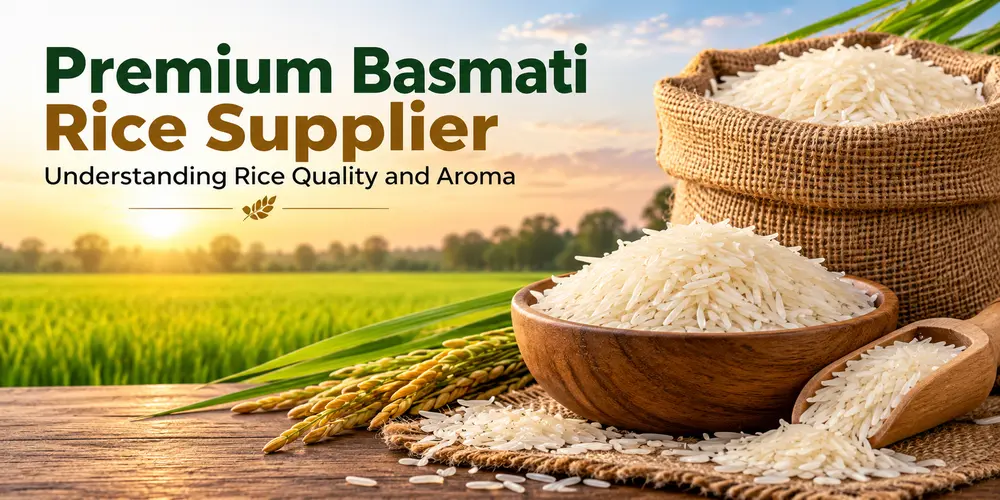
Few grains carry the reputation of basmati. Its long, slender kernels, delicate fragrance and fluffy texture have made it a staple in kitchens from Delhi to London. But honestly, not every bag that says “basmati” gives you the same feel, taste, or that whole dreamy outcome. If you run a restaurant, retail chain, or any food business really, picking the right Premium Basmati Rice Supplier can decide if people come back for a second plate or just move on. Whether you buy raw grain, or you work with a dedicated Parboiled Rice Manufacturer for high-volume catering, knowing what “quality” means is usually the first step to buying smart.
What Makes Basmati Rice “Premium”?
The word “basmati” gets used kind of loosely sometimes. Still, true premium basmati usually comes down to traits you can actually measure.
- Grain length. Premium grains often measure 7mm or more before cooking, and then elongate to nearly twice their size when cooked, instead of swelling sideways like some other types.
- Purity. Genuine basmati should be free of mixed varieties. Even a small share of non-basmati grain can shift texture and aroma, and that’s easy to notice once you serve it.
- Appearance. Aim for uniform, creamy-white to pale golden grains, with few broken pieces, or chalky kernels that look a little off.
- Moisture. Well-dried rice, around 12 percent moisture or lower, stores better and tends to cook more consistently.
Many buyers across the UK also like sourcing grains, pulses, and spices from one Agriculture Products Supplier in UK. It keeps quality checks tighter, and deliveries stay more consistent across categories. Kinda like a smooth system, not a patchwork.
The Science Behind Basmati Aroma
That signature fragrance you pay for mostly comes from a compound called 2-acetyl-1-pyrroline. This is what creates the nutty, popcorn-like scent. Still, the intensity depends on several things:
- Terroir. Basmati really thrives in the Himalayan foothills, where soil, water and climate blend into something that supports fragrance.
- Ageing. Rice aged for 12 months or more often develops deeper aroma, and firmer grains too.
- Harvesting and drying. Harvesting at the right maturity, then drying slowly, helps protect those aromatic compounds.
- Storage. Heat and humidity can dull the aroma, and they also invite pests, so warehousing matters, a lot, more than people think.
A reliable International Food Distributor should understand all of that, and invest in controlled storage and transport. So, the aroma you’re paying for actually arrives to your kitchen, still alive.
Aged vs. New Crop: Which Should You Choose?
New-crop rice often has more moisture, and can turn a little sticky when cooked. Aged basmati tends to absorb more water, expand further, and deliver that restaurant-quality finish. For biryani, pulao, and fine dining plates, aged grain is usually the clear favourite. For everyday retail packs, though, a blend of quality plus price might fit what your market expects. Good procurement, weirdly, works the same way across categories. Like how a quality-focused Energy Drink Supplier checks freshness and shelf life, a rice buyer should ask about harvest dates and ageing records before ordering.
Raw, Steam and Parboiled: Choosing the Right Type
Different processing methods suit different needs:
- Raw (white) basmati: classic choice, strong aroma, delicate bite.
- Steam basmati: lightly steamed before milling for a firmer grain, plus a more golden hue.
- Parboiled (sella) basmati: soaked, steamed, and dried in the husk. This one resist breaking, and keeps grains separate, which suits caterers and hotels cooking at scale.
Consistency is the real theme here. A Beauty Care Supplier builds trust through identical formulas in every shipment, and rice buyers should expect something similar, predictable results, from soaking time right through to final drying.
How to Evaluate a Basmati Rice Supplier
Before you commit to a bulk order, ask questions like these:
- Can they provide lab reports? See if they tested purity, moisture, pesticide residue, and grain length.
- Do they keep certifications? ISO, HACCP, BRC, or similar credentials usually hints at food safety discipline.
- How is the rice aged and stored? Ask about warehouse conditions, and the ageing timelines too.
- Is the packaging export-ready? Moisture-proof sealed packaging helps protect the quality while in transit, so don’t skip this part.
- Are samples available? Always cook a sample first before you place a big order, not after.
Working with an established
Basmati Rice Exporter can also simplify documentation, shipping, and compliance with import rules in places like the UK, EU, and the Middle East. Clear paperwork and traceability matter in trade, just like the compliance standards expected from an Electronics Supplier.
Tips for Cooking Perfect Basmati
Even the best grain needs the right technique, no doubt:
- Rinse gently two to three times until the water runs mostly clear.
- Soak for 20 to 30 minutes, so grains elongate more evenly.
- Use about 1:1.5 rice to water for stovetop cooking.
- Rest, covered, for 5 minutes then fluff with a fork.
Precision is kind of the whole point here. A Wholesale Peptides Supplier depends on exact measurements and strict handling, and basmati rewards the same kind of care in the kitchen.
Conclusion: Choosing a Premium Basmati Rice Supplier
Great basmati usually comes down to grain length, purity, proper ageing, and careful handling from field to warehouse. When you choose a Premium Basmati Rice Supplier that’s transparent about testing, certifications and storage, you protect your brand and keep customers happy with every serving. Then, connect it with a reliable basmati rice exporter for smoother shipping, and a steady parboiled rice manufacturer for bulk catering needs, and suddenly the whole supply chain feels simpler , more reliable too. For quality-assured rice and wider sourcing support, connect with globalharvestltd.com.
Frequently Asked Questions (FAQs)
1. What is the best grain length for premium basmati rice?
Premium basmati usually comes in around 7mm or longer before cooking, and it goes way out in length after it cooks.
2. Why is aged basmati rice considered better?
Ageing lets moisture go down, and it also boosts the aroma. So the rice comes out light, separate, and fragrant, instead of turning tacky.
3. What changes between raw basmati and parboiled basmati?
Raw basmati is milled straight away and keeps a more intense smell. Parboiled basmati gets steamed in the husk first, so it feels firmer, breaks less easily, and can be great for large catering runs.
4. How can I tell if the basmati rice is genuine?
Honestly, you can start by asking for lab reports, then notice the grain length, and finally check the fragrance. Also buy only from suppliers who do purity testing and can actually show you certifications, not just talk about it.
5. How should basmati rice be stored properly?
Store it in airtight containers or sealed bags, in a cool and dry area, keep it away from sunlight, and humidity too.
6. Can one supplier offer more than only rice?
Yes. An international food distributor can often cover several food categories,which helps businesses cut costs, and make purchasing easier.
7. What certifications should a rice supplier have?
Aim for ISO, HACCP, BRC, plus the relevant export authorizations. Also, ask for pesticide residue results, and quality test documentation.